I was recently asked to write a short article about the 55th Regiment of Foot for The Lion & the Dragon, the magazine of Cumbria’s Museum of Military Life. Located in Carlisle Castle in northern England, this excellent regimental museum interprets the history of the 55th Foot and other regiments of the British Army from the 18th century to the present day. My article, which appears on page 7 of the Spring 2026 issue and is reproduced below, chronicles colourful episodes of officer misconduct during the Napoleonic Wars. The piece is more descriptive than analytical, but I hope it provides revealing insight into the interpersonal problems that could arise during spells of otherwise uneventful garrison duty.
The 55th Regiment cannot boast of an especially glorious or action-packed record during the Napoleonic Wars, but courts-martial documents preserved in The National Archives reveal that its officers had ample opportunity to pick fights with each other.
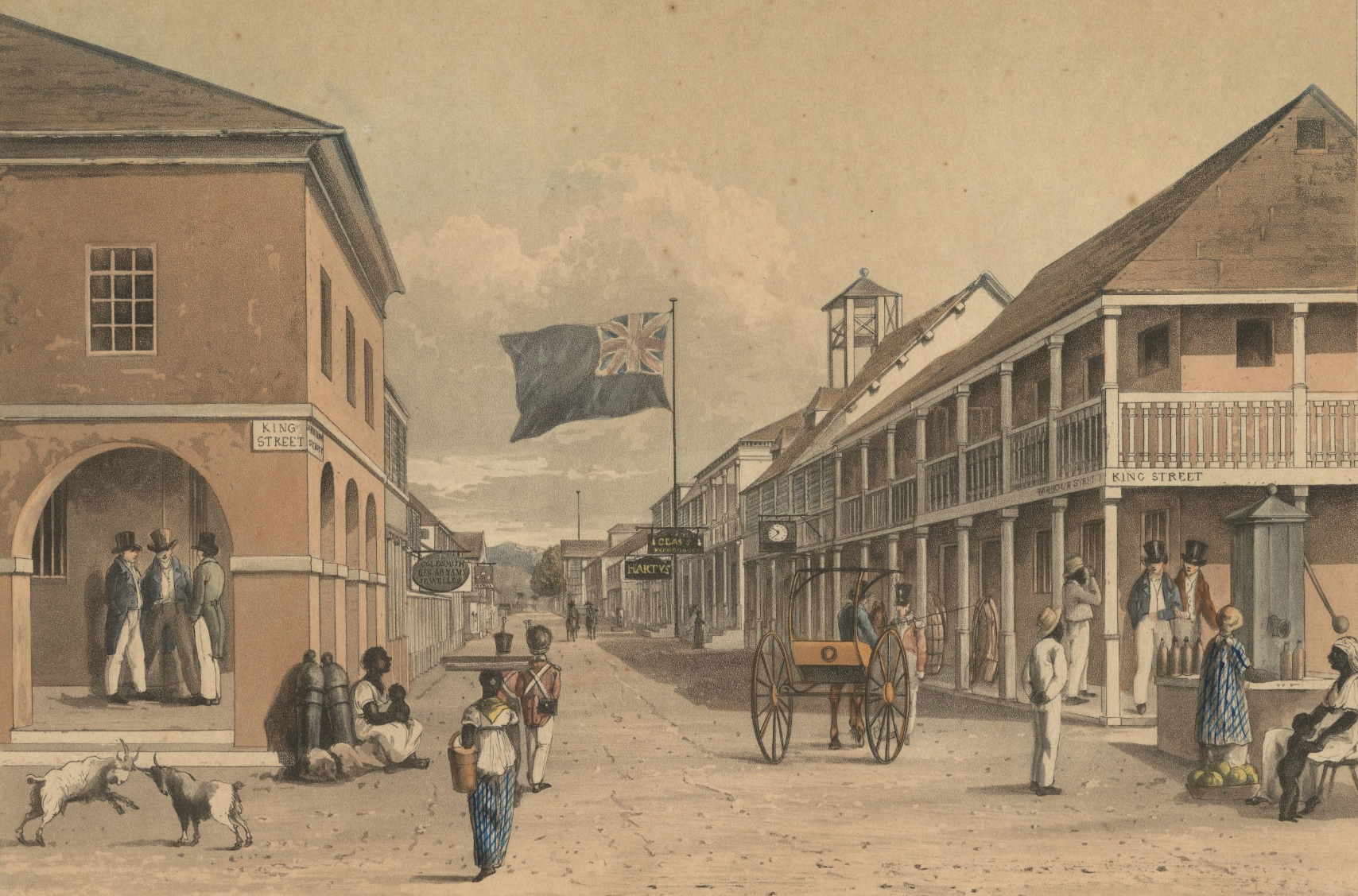
While on garrison duty in Jamaica in 1808, Captain Hamilton Clune was shunned by his mess‑mates for suggesting that Ensign Davis’s wife had loose morals. Although Clune requested a court of enquiry to clear his name, officers of the regiment pressed the principals to resolve their quarrel in a manner ‘totally different from that of a public investigation’, especially after Davis boasted of calling Clune a scoundrel. Lieutenant‑Colonel Douglass extracted promises from both men to avoid a duel, but once he departed for England the pledges were widely regarded as void. Even the regiment’s second‑in‑command, Major Heyliger, tacitly endorsed an exchange of pistol shots, noting that other officers were ‘in hopes’ the pair would ‘settle their dispute as gentlemen commonly do, and give the regiment no further trouble.’
Douglass was obliged to intervene in another affair of honour several years later. Denouncing an 1811 duel in which Lieutenant Blake wounded Lieutenant Adams, he insisted that ‘the world does not contain a more detestable character than that of a professed duellist.’ While Douglass refrained from pressing charges, he extracted written undertakings from the participants to refrain from such quarrels in future. Blake’s declaration would later be used against him when he was court‑martialled and cashiered in 1814 for caning Captain Clune in the streets of Windsor and telling him to ‘kiss my arse’ after parade.
In the 55th Foot, as in other regiments, officers met collectively to deliberate on the misbehaviour of their peers without recourse to potentially career-ending courts-martial. In 1808, for example, the captains of the corps recommended ostracizing both Clune and Davis for slanderous language. Clune rejected this judgment, accusing his comrades of arrogating judicial authority, only to later demand that Lieutenant Blake be shunned for calling the 55th ‘a most rascally corps.’
Clune was known for his ‘unhappy temper’, and Richard Blake was clearly an impetuous rogue, but the pair were by no means the only troublesome officers in the regiment. In 1806, for example, the 55th’s paymaster was court‑martialled and cashiered for ‘highly unbecoming conduct’ after exchanging blows with a lieutenant in a Jamaican mess room; his social disgrace was compounded by the fact that a private soldier had been forced to separate the brawling duo. Another subaltern, Alexander Proudfoot, was expelled from the mess for failing to pay his bills and prosecuted on a variety of charges in 1808. Proudfoot contrived to relocate his lodgings to the room beneath his court-martial so he could eavesdrop on the supposedly confidential sentencing proceedings through the floorboards.
Such antics may amuse us today, but they caused no little consternation at the time. Military men fretted about declining standards and the erosion of social exclusivity, complaining that incessant wartime demand for manpower made it all too easy for uncouth candidates to secure commissions. Major‑General Hugh Carmichael, for example, noted the extreme youth of many officers in the 55th Foot and blamed the frequency of courts‑martial in Jamaica on an influx of ‘persons…insensible to those feelings that should actuate British officers and gentlemen’. Captain Clune put matters more bluntly when casting aspersions on Mrs Davis, allegedly asserting that even ‘highwaymen might get commissions’ in return for marrying ‘the cast-off mistresses’ of influential philanderers.
 1812 and all that